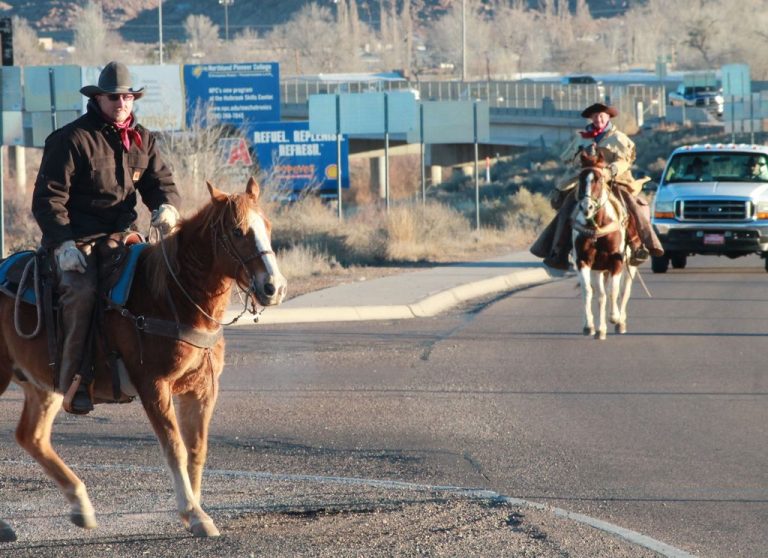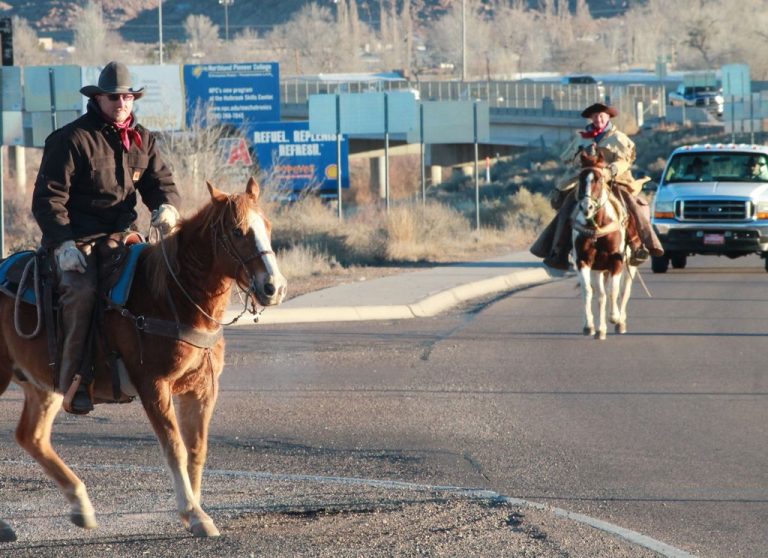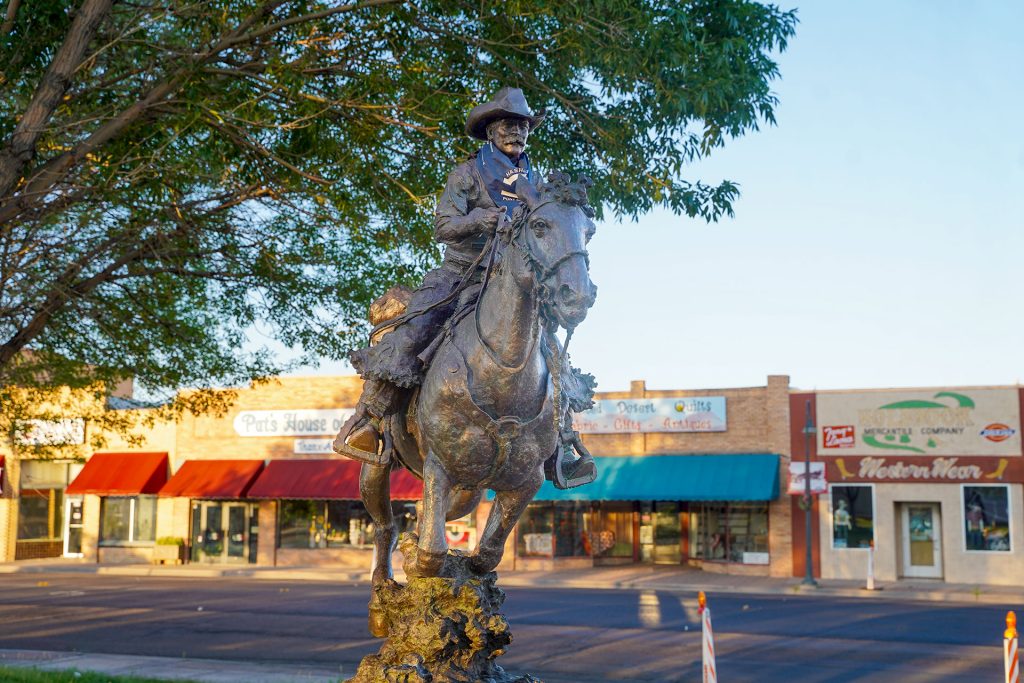
The more than yearlong dispute over the future of the Hashknife name, the annual Pony Express Ride and the identity of Navajo County’s volunteer search-and-rescue community has formally reached its conclusion, bringing clarity to a rift that began quietly in early 2024 and escalated into a federal lawsuit before ending in an amicable settlement this fall.
The joint statement released by both organizations reflects the final terms of that agreement, but the path there was shaped by months of accusations, counter-accusations and competing claims about history, authority and public safety.
In April 2024, the Navajo County Attorney’s Office delivered a blunt letter to the longtime organization known as Navajo County Sheriff’s Posse, Inc., headed by Mark Reynolds, informing its leadership that Sheriff David Clouse was terminating all affiliation with the group. In that letter, Deputy County Attorney Brandt Clark wrote that the posse and the Hashknife Pony Express organization “are not adequately equipped or trained” for search-and-rescue work and that deficiencies in training and equipment posed “significant risks to the safety of both the posse members themselves and the community at large.”
He further asserted that the group had shifted away from its founding purpose and had “turned into a fundraising organization, and an annual mail carrier organization,” no longer recognized as a viable search-and-rescue entity in Navajo County.
The letter also cited a reported policy banning female riders from participating in the 2023 ride, calling it discriminatory and a violation of state and federal law. The county demanded the organization cease using the Sheriff’s name, badge, seal or any implication of affiliation, warning that failure to comply could result in legal action.
The split quickly moved into federal court as the original posse filed a trademark infringement lawsuit. In its motion for a preliminary injunction, the organization argued that it and its predecessors have used the Hashknife name, marks and Pony Express identity for nearly seven decades and that former members who left during the 2024 conflict were attempting to pass off a newly formed group as the historic organization. The filing claimed that the new entities were using “carbon copies” of the Hashknife branding, causing confusion among donors, sponsors, municipalities and volunteers. The group argued it was likely to succeed on its trademark claims and said that continued use of similar names and imagery by the splinter organization risked long-term damage to its goodwill.
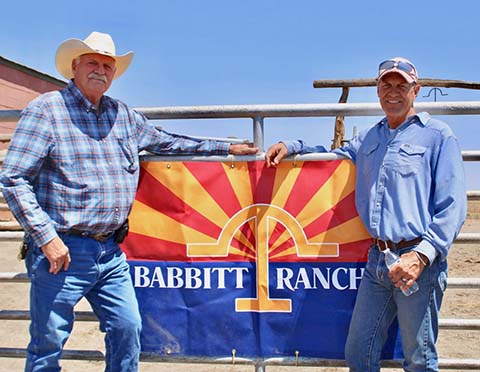
The defendants responded with an entirely different narrative. They argued that the Sheriff—who has statutory authority over search-and-rescue operations—had formally severed ties with the plaintiff and authorized the defendants to form a new posse for official SAR work. In their filing, they said the plaintiff had “abandoned its original mission” and was no longer a functioning search-and-rescue group. They also contended the plaintiff did not own exclusive rights to the Hashknife brand, noting that the historic Hashknife mark originated with the Aztec Land and Cattle Company in the 1800s, later passed to Babbitt Ranches, and has been widely used by numerous organizations across Arizona. The defendants argued that the plaintiff’s rights were derived only from a non-exclusive license granted by Babbitt Ranches, which meant the plaintiff could not restrict others from using the historic brand. They added that generic terms such as “posse,” “search and rescue,” and “Pony Express Ride” cannot be monopolized and asserted that any public confusion was caused not by the new group, but by the plaintiff continuing to use “Navajo County Sheriff’s Posse” despite the Sheriff ordering it to stop.
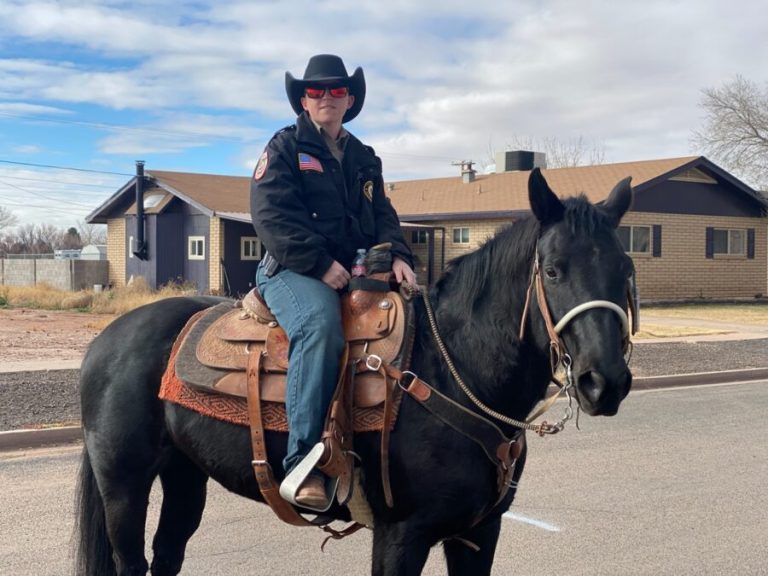
The dispute continued through the summer and fall, influencing event planning, fundraising and city partnerships, but ultimately did not result in a court ruling. Instead, both sides reached a confidential settlement and issued a joint statement describing the terms. Under that agreement, the original organization will now be known as the Navajo County Hashknife Posse or Navajo County Hashknife Search and Rescue, despite not being certified in search and rescue for several years, while the newly formed group will operate as the Navajo County Sheriff’s Posse under the direction of the Sheriff’s Office. The statement emphasizes that the matter was resolved “amicably” and that there is “no evidence of any wrongdoing” by the Hashknife Posse or its board.
The joint statement finalized with the following announcements:
“The Navajo County Sheriff’s Office no longer affiliates with, or endorses, the “Navajo County Hashknife Posse.” The Navajo County Hashknife Posse is not, and never has been, subject to the direction or control of the Navajo County Sheriff’s Office except when called upon by the Sheriff to conduct search and rescue operations. Going forward, both the Navajo County Hashknife Posse and the Navajo County Sheriff’s Posse plan to host their own “Pony Express Ride” reenactments and other events. The Navajo County Sheriff’s Posse completed its inaugural Pony Express Ride January 31, 2025, and looks forward to its second annual ride in 2026. The Navajo County Hashknife Posse will have their 67th annual Pony Express Ride in November 2025 and looks forward to its 68th annual ride in 2026. The parties agree that there is no evidence of any wrongdoing by the Navajo County Hashknife Posse or its executive board.
Furthermore, this matter was resolved amicably and without any admission of fault by either side. The Navajo County Sheriff’s Posse and the Navajo County Hashknife Posse will each continue their commitment to community service, civic engagement, and each wishes the other success in their respective missions. Both entities remain open to new member applicants and welcome individuals who share their values and goals.”
With the settlement in place, both organizations now move forward independently—one operating as the county-authorized search-and-rescue posse and the other continuing its long-standing cultural and historical traditions—ending a turbulent chapter in the story of one of Arizona’s most recognizable volunteer traditions.