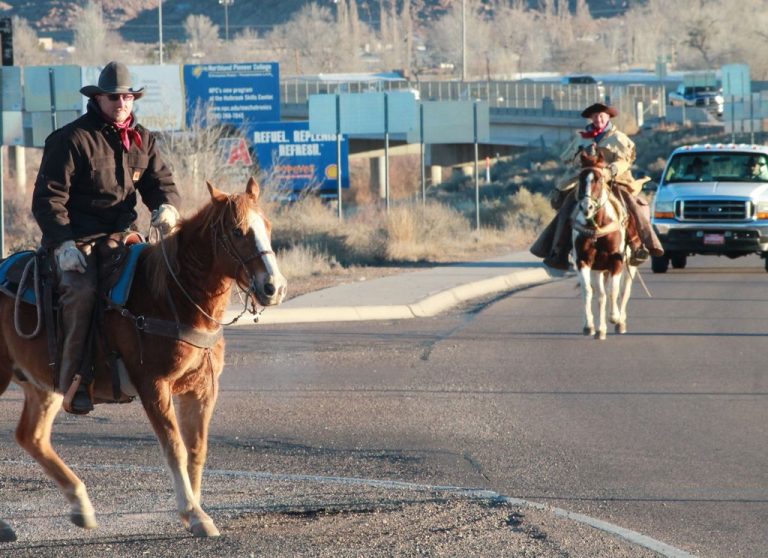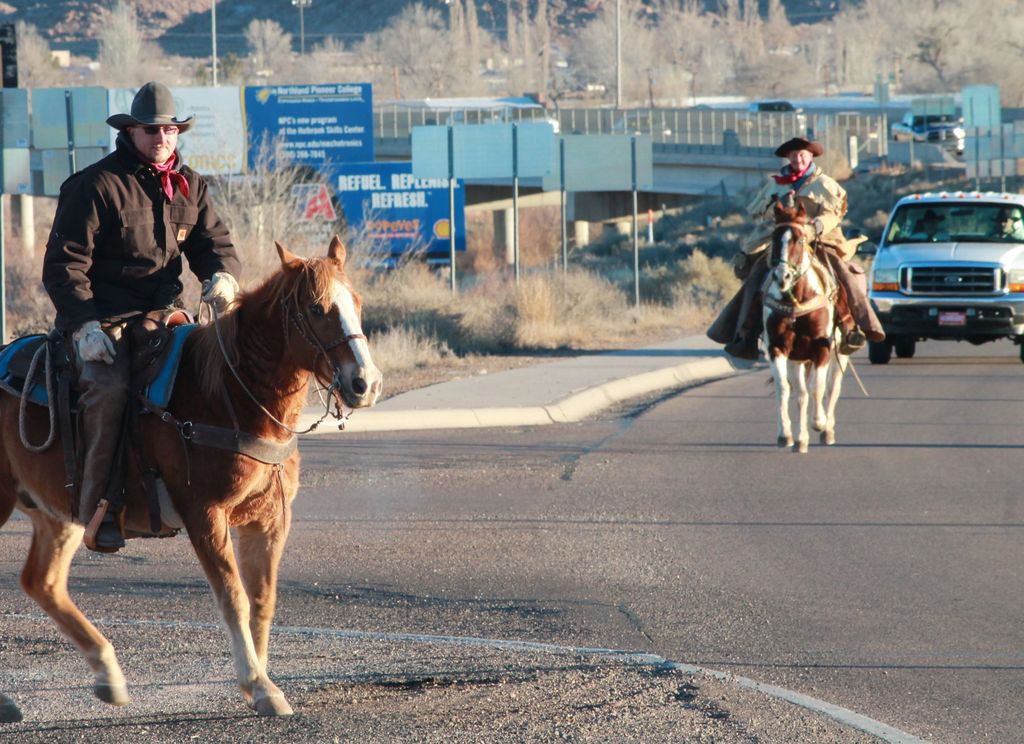
Mark Reynolds, former captain of the Navajo County Sheriff’s Office Hashknife Posse, remains embroiled in a months-long legal battle and public controversy as the annual Pony Express Ride approaches this week. Once a celebrated figure in the organization’s long history, Reynolds now faces allegations that have not only severed his connection to the Sheriff’s Office but also brought the integrity of his leadership into question.
Reynolds, who leads two nonprofit organizations, Navajo County Sheriff’s Posse, Inc. and Hashknife Pony Express, Inc., has claimed to represent the traditions of the Hashknife Posse, an auxiliary group originally formed in 1955, to support law enforcement and conduct search and rescue operations. However, in April of last year, Sheriff David Clouse terminated all affiliations between the Sheriff’s Office and Reynolds’ groups, citing concerns over a failure to provide adequate training and equipment for search and rescue efforts.
According to the Sheriff’s Office, the organizations had strayed from their original mission, shifting focus instead to fundraising activities and the Pony Express Ride. The county backed its claims by showing that Reynolds and his group members had let their search and rescue certifications lapse for more than 10 years while still collecting and spending money donated with the intent to benefit search and rescue.
The Sheriff’s Office also alleged troubling governance practices under Reynolds’ leadership, including the co-mingling of personal and nonprofit funds, which raises significant legal and ethical concerns. This practice, referred to as “piercing the corporate veil,” occurs when nonprofit funds are improperly used for personal expenses, potentially enabling individuals to avoid tax obligations. The Sheriff’s Office noted that this mismanagement could lead to the loss of nonprofit tax-exempt status, exposing Reynolds to personal liability and jeopardizing public trust. These financial decisions have raised significant concerns about whether donor contributions were being used responsibly to support community safety efforts.
Compounding these issues, the Sheriff’s Office reported discriminatory policies within Reynolds’ organizations, including the exclusion of female riders from participating in the Pony Express Ride, a violation of federal and state anti-discrimination laws. This policy not only raised ethical concerns but also posed a legal liability for the organizations under Reynolds’ leadership. The Sheriff’s Office emphasized that such practices contradicted the principles of inclusivity and fairness that community organizations are expected to uphold.
In response to these allegations, a group of former members of the Hashknife Posse formed new organizations with the explicit approval of the Sheriff’s Office. These groups, Navajo County Hashknife Sheriff’s Posse Search & Rescue and Navajo County Hashknife Sheriff’s Posse Pony Express Ride, have taken on the responsibilities of search and rescue operations and the iconic annual ride.
The Sheriff’s Office has since authorized these new organizations to use the county’s name and insignia, privileges that were revoked from Reynolds’ groups. The new organizations have already established relationships with municipalities and sponsors, including the City of Scottsdale, which approved their application to host the 2025 Pony Express Ride despite Reynolds’ objections.
Reynolds has challenged these developments through legal action, filing a federal lawsuit against the new organizations and several individuals associated with them. The lawsuit alleges trademark infringement and unfair competition, claiming the new groups are misleading the public by using names and branding similar to those of Reynolds’ organizations. Reynolds also claims that the Hashknife trademarks were passed down from previous generations of the organization and remain under his control. In October, a federal court issued a preliminary injunction prohibiting the new organizations from using the “Hashknife” name and associated logos, though broader trademark disputes remain unresolved.
The county contends in the lawsuit that it is Reynolds’ group that is intentionally confusing consumers by having a nonprofit named Navajo County Sheriff’s Posse. They argue that by calling themselves by that name, it could lead people to believe they are donating to an organization that is associated with or is the Navajo County Sheriff.
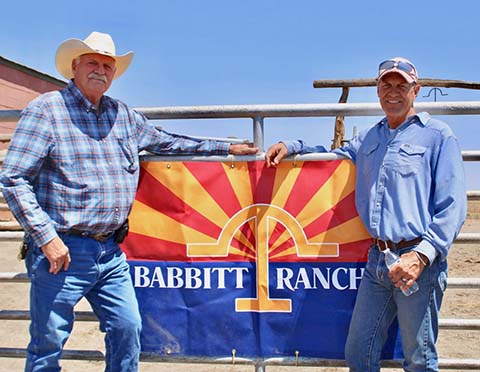
The history of the Hashknife name adds another layer of complexity to the dispute. Originally tied to the Aztec Land and Cattle Company in Arizona’s wild west days, the Hashknife brand was used to signify one of the largest cattle operations in the United States. Over time, the name became a cultural icon in Arizona, symbolizing the rugged spirit of the times. Babbitt Ranches, a prominent Arizona ranching operation, granted a non-exclusive license to use the Hashknife brand to the organization that Reynolds would one day take over, which has become a central point of contention in the lawsuit. The non-exclusive nature of this license, however, raises questions about whether Reynolds’ organizations ever held exclusive rights to the name.
However, with everything still playing out in court, one thing is clear: only one group conducts search and rescue operations. The Sheriff’s Office has made it clear that for those who wish to support this critical community service, donations should be directed to the officially recognized and authorized search and rescue group or to the Sheriff.