/wp:paragraph
wp:paragraph
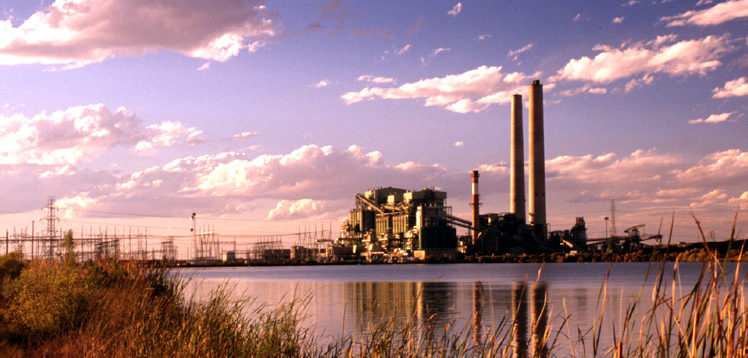
On May 9, Arizona Public Service (APS) filed their report with the Arizona Corporation Commission (ACC) on the feasibility and potential cost of doing a biomass conversion on Unit One at the Cholla Power Plant in Joseph City.
/wp:paragraph
wp:paragraph
In December of 2018, the ACC adopted a policy statement regarding the role of forest bioenergy in Arizona. It suggested that biomass should be subject to a renewable energy carve-out equal to or greater than 60 MW (megawatts) for affected utilities.
/wp:paragraph
wp:paragraph
In March of this year, APS filed a letter in the Biomass Docket informing the ACC and interested parties that it was evaluating the feasibility of converting Unit One to burn biomass, and intended to file a report summarizing the results of the evaluation within 60 days.
/wp:paragraph
wp:paragraph
Black & Veatch, an engineering firm out of Kansas City, Mo., was hired to perform technical analysis as well as capital and operating and maintenance cost estimates for the conversion.
/wp:paragraph
wp:paragraph
In their findings, Black & Veatch noted: “It is feasible to convert Cholla Unit One to burn dried, sized woody biomass. The converted unit could provide approximately 83MW of net output on the grid.”
/wp:paragraph
wp:paragraph
The report continued, “The relatively small size of Cholla Unit One lends itself to a potential biomass conversion and may contribute toward meeting the Commission Biomass Policy, as well as helping accomplish 4FRI’s (Four Forest Restoration Initiative) goals. Continued operation of Unit One would have positive impacts on the local communities for property taxes and jobs related to construction activities, personnel needed to operate the facility, logging, gathering and transportation of biomass, and indirect effects due to the economic stimulation of the increased population and resources required to support the fuels reduction process.”
/wp:paragraph
wp:paragraph
The conversion could be completed as early as 2022 with a capital cost of the conversion estimated at $205 million.
/wp:paragraph
wp:paragraph
While the actual conversion of Unit One is estimated to be approximately 32 months, the greater need is to insure that would be sufficient quantities of the biomass fuel that could be delivered at acceptable prices.
/wp:paragraph
wp:paragraph
The report noted that the amount of fuel available to the plant will be determined by the United States Forest Service (USFS) through a request for proposal (RFP). The USFS is in the process of preparing an RFP to accomplish the forest restoration goals.
/wp:paragraph
wp:paragraph
The report also noted:
/wp:paragraph
wp:paragraph
* There needs to be sufficient response to the Forest Service RFP to support forest products industries, as well as to deliver sufficient quantities of biomass to the Cholla plant at the lowest possible prices.
/wp:paragraph
wp:paragraph
* Assuming sufficient quantities and acceptable prices for biomass fuel are bid to APS by creditworthy counterparties, successful bidder(s) in the APS fuel RFP must also be awarded contracts from the Forest Service.
/wp:paragraph
wp:paragraph
* Preliminary engineering and environmental permitting activities must result in acceptable capital cost estimates.
/wp:paragraph
wp:paragraph
* The ACC must approve the APS plan to continue developing the project and allow cost recovery of the above items through the Renewable Energy Standard and Tariff.
/wp:paragraph
wp:paragraph
* Participation from other Arizona utilities is needed to provide an equitable cost-sharing arrangement.
/wp:paragraph
wp:paragraph
On water consumption, the report stated: “Cooling water requirements are marginally higher for biomass than they are for coal on a gallons per MwH basis, however, since the plant rating will be decreased, the actual quantity of cooling water for full load operation of biomass will be approximately 20 percent lower than for coal. APS uses well water to cool the plant and has sufficient water rights for continued operation of the unit.”
/wp:paragraph
wp:paragraph
In a November of 2017 report, Black & Veatch estimated that it would take 32 people to operate the Unit One biomass conversion. It was also estimated that in addition to the operations jobs at the plant, there could be another 90 direct logging and transportation jobs as well as 16 indirect permanent jobs plus another 800 direct and 600 indirect temporary construction jobs.
/wp:paragraph
wp:paragraph
Unit One was put into service in 1962 and is the smallest generating facility of the four units located at Cholla. It will no longer be able to burn coal beyond 2025 based on Arizona’s Regional Haze State Implementation Plan.
/wp:paragraph
wp:paragraph
Of the other three units, Unit Two was retired in 2015 and Units Three and Four will also be required to cease burning coal beyond 2025.
/wp:paragraph
wp:paragraph
The ACC will be discussing this report at their May Open Meeting beginning Tuesday, May 21.
/wp:paragraph