The Old Trails Museum will present its 2017 Summer History Highlight at 3 p.m. on Sunday, July 9, at La Posada Hotel, 303 E. Second St. in Winslow. Attendees will meet in La Posada’s Ballroom for author and historian Jim Turner’s free presentation of Native Roads: A Pictorial Guide to the Hopi and Navajo Nations.
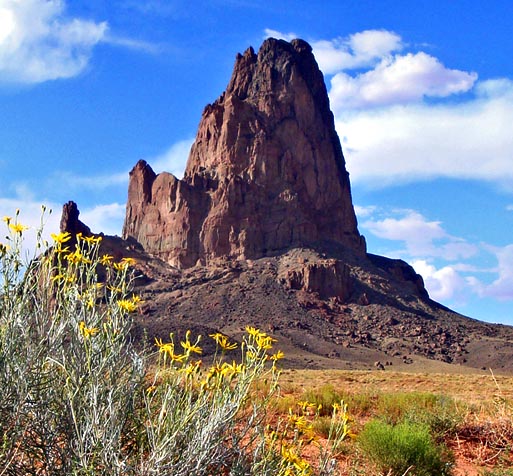
Turner’s presentation is a virtual road trip that highlights the beauty, history and folklore of the Four Corners region. Images include natural wonders like Sunset Crater, Monument Valley, Horseshoe Bend and Canyon de Chelly; archeological sites such as Wupatki and Aztec Ruins; and trading posts at Teec Nos Pos, Shiprock, Farmington, Gallup and Keams Canyon.
Turner edited the third edition of Native Roads: A Complete Motoring Guide to the Navajo and Hopi Nations, a popular travel guide written by Fran Kosik and first published in 1995. After she graduated from nursing school, Kosik went to work for the Indian Health Service at Tuba City, and spent more than three decades learning about the geology, geography, archaeology, history and culture of the area.
But things have changed since the first edition, so Rio Nuevo Publishers asked Turner to retrace Kosik’s routes and update the information. He will share fascinating images, maps and stories from his trips to the Four Corners, presenting the best of both the original and new material.
After hearing Turner’s experiences and insights, newcomers to the area may be inspired to visit these Native roads, and longtime residents may relive fond memories and decide to return.
Turner worked with museums across the state before retiring from the Arizona Historical Society. He authored the pictorial history, Arizona: Celebration of the Grand Canyon State, and co-authored the fourth-grade textbook, The Arizona Story. Turner earned an M.A. in U.S. history from the University of Arizona, and has been researching and teaching Arizona history for more than 40 years.
The 2017 Summer History Highlight, a partnership program between the Old Trails Museum and La Posada Hotel, was made possible in part by Arizona Humanities, a non-profit organization and the Arizona affiliate of the National Endowment for the Humanities.