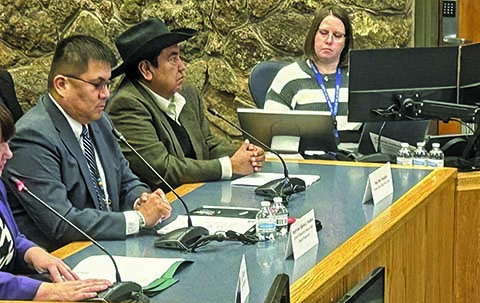
For the first time in over 30 years, a U.S. Senate hearing was held in Flagstaff last week, with Senator Mark Kelly leading the session. This hearing put the spotlight on Arizona’s flood and water management efforts, focusing, amongst other things, on the $100 million Winslow Levee project. Senator Kelly and Colonel Andrew Baker, commander of the Los Angeles District of the U.S. Army Corps of Engineers, delved into the project’s timeline and its implications for the community.
Colonel Baker provided an update on the project’s progress, stating, “We still have some big-ticket items remaining. We have our hydrologic modeling and cultural and environmental coordination. All these efforts will feed into the final plans and specifications of the project.” This indicates the remaining work to be done before the project can move forward, with an estimated 2.5 to 3 years required to complete the design and pre-construction phase, aiming construction commencing near the dawn of 2027.
The cost of flood insurance for residents living in the floodplain was a major concern for Senator Kelly. He pointed out, “In some cases, the monthly flood insurance payment for some homeowners is more than their monthly mortgage payment.” This highlights the financial burden faced by the community. Senator Kelly queried Colonel Baker on the potential for reducing the project’s timeline and budget, emphasizing the need for efficient and effective project completion. Kelly understood the importance of making sure a project is done correctly and said the reason things are expected to take as long as they are to make sure that the result is something that will last.
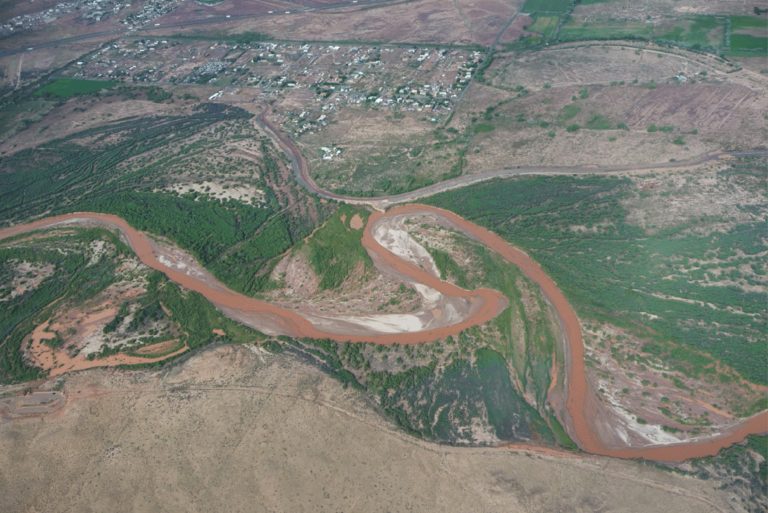
The discussion also covered the environmental strategy of removing salt cedars from the bank of the Little Colorado River. Colonel Baker noted the dual benefits of this action, saying the plants not only slow the flow of water downstream but also consume a significant amount of water. This can maximize the effects of flooding if the water is not able to move downstream very quickly which if not dealt with before construction could ruin the project’s efforts or mitigate some of its benefits.
Kelly asked the colonel if there was an expectation of needing more funding for the project, Colonel Baker assured that a cost analysis update is scheduled for this summer and will continue every two years, ensuring ongoing financial oversight.
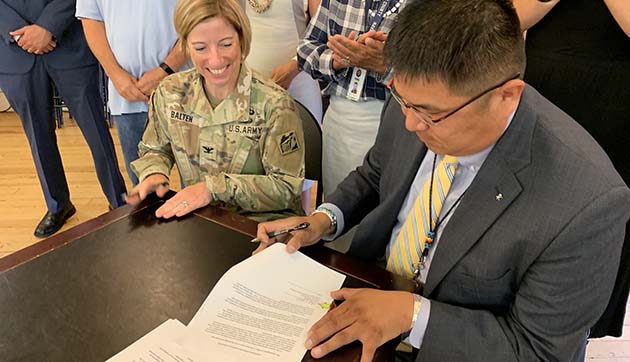
Navajo County District 2 Supervisor Alberto Peshlakai also spoke, emphasizing the levee’s broader significance. He addressed the impact of the levee’s decertification in 2008 on the community, including the high cost of flood insurance and its deterrent effect on economic activity. Peshlakai spoke about the county’s relationship with the Corps of Engineers and how positive it has been and said that the cooperative efforts will meet or exceed the rigorous public engineering standards, aiming to mitigate flood risks and foster economic growth.
The Senate hearing in Flagstaff, featuring dialogue between Senator Kelly, Colonel Baker, and local figures like Peshlakai, underscored a collective approach to addressing flood risks in Arizona. The Winslow Levee project, with its focus on planning, financial management, and environmental considerations, is positioned to offer significant benefits and increased opportunities to the Winslow community in the future.