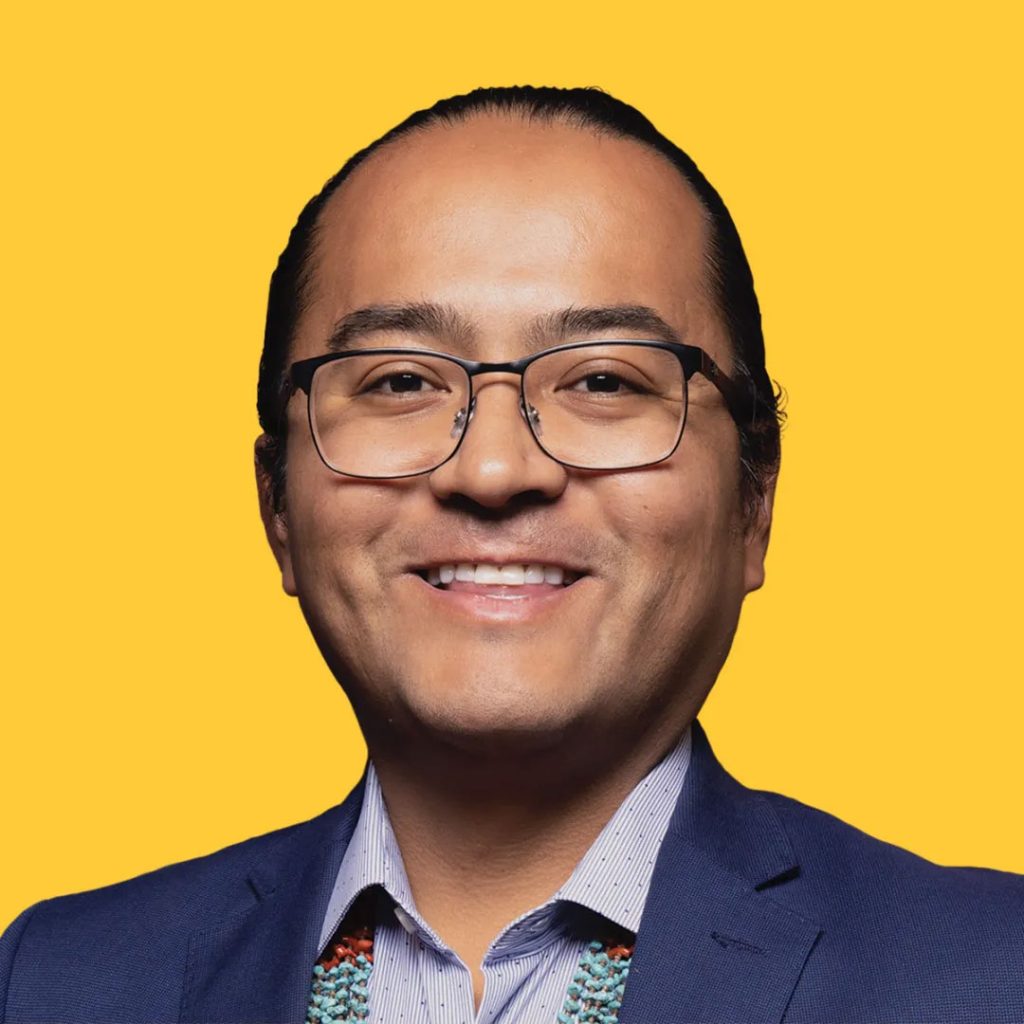
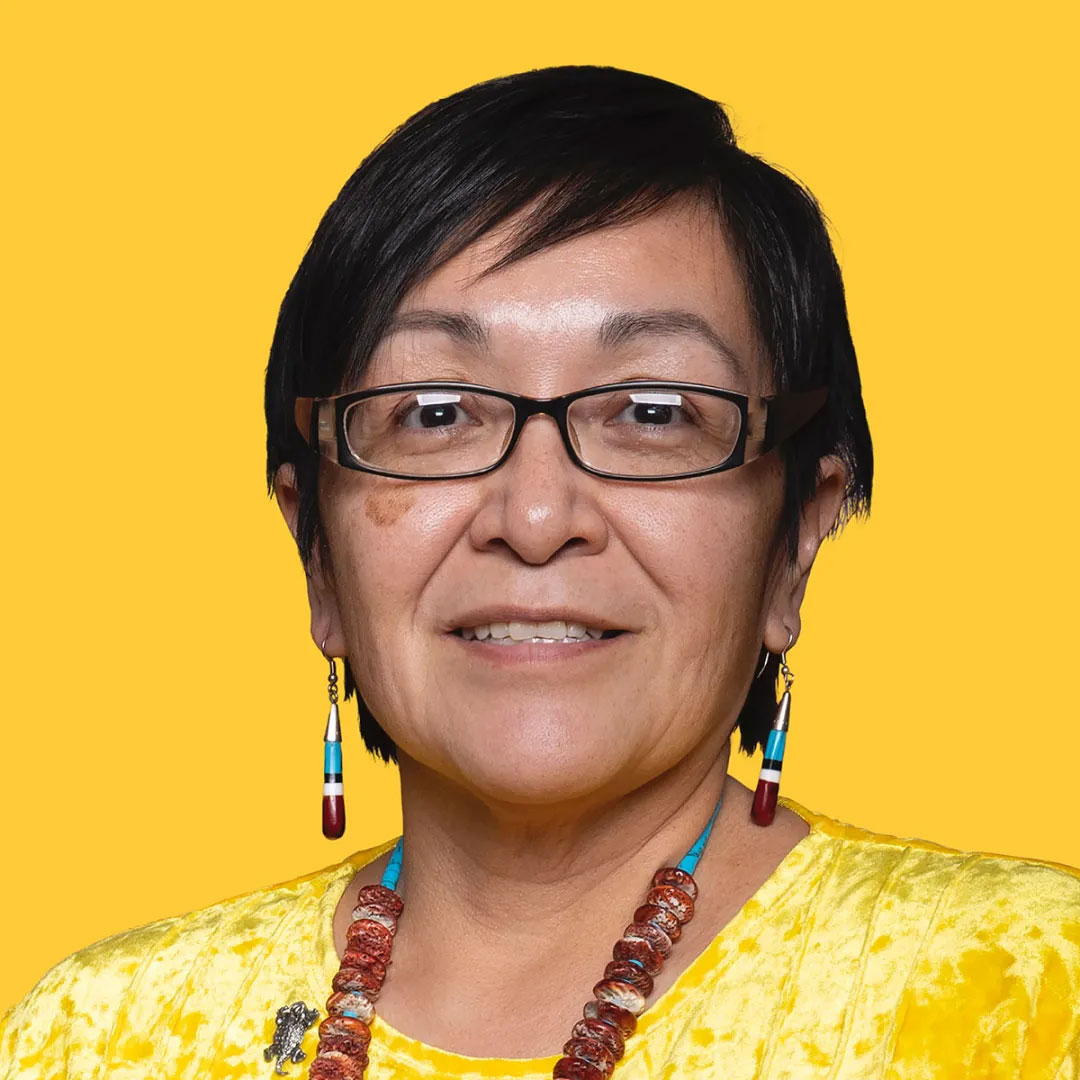
A formal bid to remove Navajo Nation President Buu Nygren and Vice President Richelle Montoya was introduced Friday by the Navajo Nation Council, the same day a special prosecutor filed a sweeping ethics complaint in Navajo Nation District Court outlining allegations of financial misconduct, nepotism and repeated violations of Navajo Nation law.
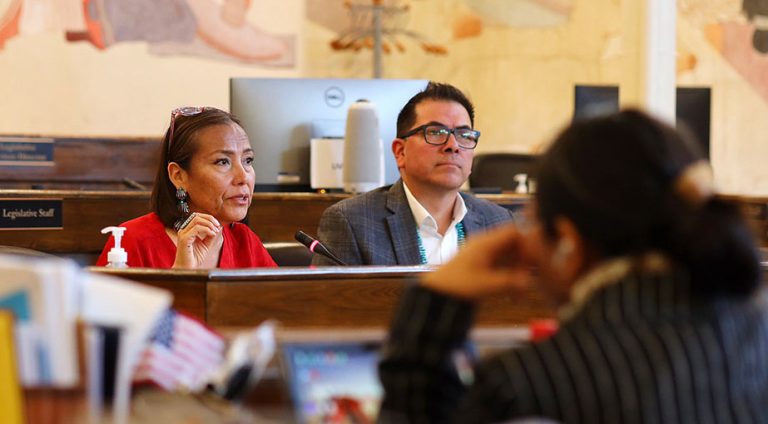
Speaker Crystalyne Curley said the legislation reflects weeks of mounting pressure from chapters and community members who have demanded action. “Many of our Navajo people and a majority of chapters have adopted resolutions calling for the removal of President Nygren and Vice President Montoya for failing to uphold their oath of office and for numerous allegations, some of which are now filed in court,” Curley said. She added that the council, “has a duty to uphold the laws of the Navajo Nation, protect the Nation’s public funds, and ensure accountability at the highest levels of government.”
The ethics complaint, filed by Special Prosecutor Kyle Nayback, lays out detailed claims that Nygren misused his Navajo Nation travel purchase card for personal and family expenses, then ordered staff to hide the charges.
According to the complaint, Nygren routinely brought family members on official travel between 2023 and 2025 and charged their lodging and meals to his Navajo Nation credit card despite clear policy that travel cards may only be used for the authorized cardholder. The filing states that when reconciling the card, Nygren, “directed at least one subordinate to falsely record the expenses as though they were for staff assistants,” even ordering staff to use white-out to conceal his family’s names and replace them with personnel identifiers. The complaint argues that these actions violated Navajo Nation rules and multiple criminal statutes governing conversion of public funds and tampering with public records.
The complaint also describes a pattern of directing staff to perform personal labor. One employee was allegedly instructed to supervise Nygren’s child, cook, clean his residence and manage personal bill payments. Nayback wrote that these duties, “were outside the proper scope” of any executive staff role and provided personal benefit to Nygren in violation of Navajo Nation code, which bars officials from using government employees for non-official purposes.
Another major allegation centers on Nygren’s hiring of his father-in-law, John Blackwater Jr., into a political at-will position. The complaint states that Blackwater was unqualified for the job and related to Nygren within the degree prohibited by Navajo nepotism law. It alleges that Nygren ordered staff to alter Blackwater’s application to make him appear qualified and proceeded with the hire even after being told he lacked the authority to place a family member directly under his supervision. “Not only did respondent knowingly violate this section,” the complaint states, “but when informed that hiring his father-in-law would be a violation, he showed no concern for following the law.”
Speaker Curley’s legislation mirrors many of these same concerns but includes additional claims gathered by the council. It cites misuse of federal funds, attempts to interfere in the appointment of the controller, improper line-item veto use intended to pressure the council, turnover caused by a hostile work environment and alleged undue influence over Navajo Nation enterprises.
The resolution also raises questions about contracts totaling $24.9 million awarded to Indigenous Design Studio + Architects and ZenniHome, stating that insufficient due diligence led to unaccounted federal funds. Curley said these issues constitute “repeated malfeasance, misfeasance and breaches of fiduciary duty.”
Vice President Montoya is included in the removal resolution on the grounds that the president and vice president are elected on a single ballot and share responsibility for lawful governance. The legislation argues that Montoya failed to report alleged misconduct within the Office of the President and Vice President despite acknowledging concerns publicly. It cites her own statement earlier this fall that she was willing to step aside “to protect communities and restore accountability” as evidence that she recognized the seriousness of the situation.
Under Navajo law, both officials are entitled to notice, the opportunity to respond and the ability to speak before the Naabik’íyáti’ Committee and the full Navajo Nation Council before any vote is taken. Speaker Curley said the process will be transparent and rooted in Diné Fundamental Law. “Our laws are clear and mandate that leaders must uphold balance, truth and the highest ethical standards,” she said. “When they do not, it is the council’s responsibility to act on behalf of the Navajo people.”
The ethics complaint filed in court seeks Nygren’s immediate removal, five-year disqualification from Navajo public office, a public reprimand, restitution and forfeiture of up to a year’s worth of pay. The council’s removal legislation will undergo a mandatory five-day public comment period before consideration. Approval by two-thirds of the full council is required for removal.
Speaker Curley encouraged Navajo citizens to engage in the process. “This legislation reflects the voices of chapters, agency councils and countless Diné community members who have called for accountability,” she said. “The council will act with honesty, balance and unwavering loyalty to the people.”
The public may submit written comments by email to comments@navajo-nsn.gov, or by mail to Executive Director, Office of Legislative Services, PO Box 3390, Window Rock, Ariz., 86515.