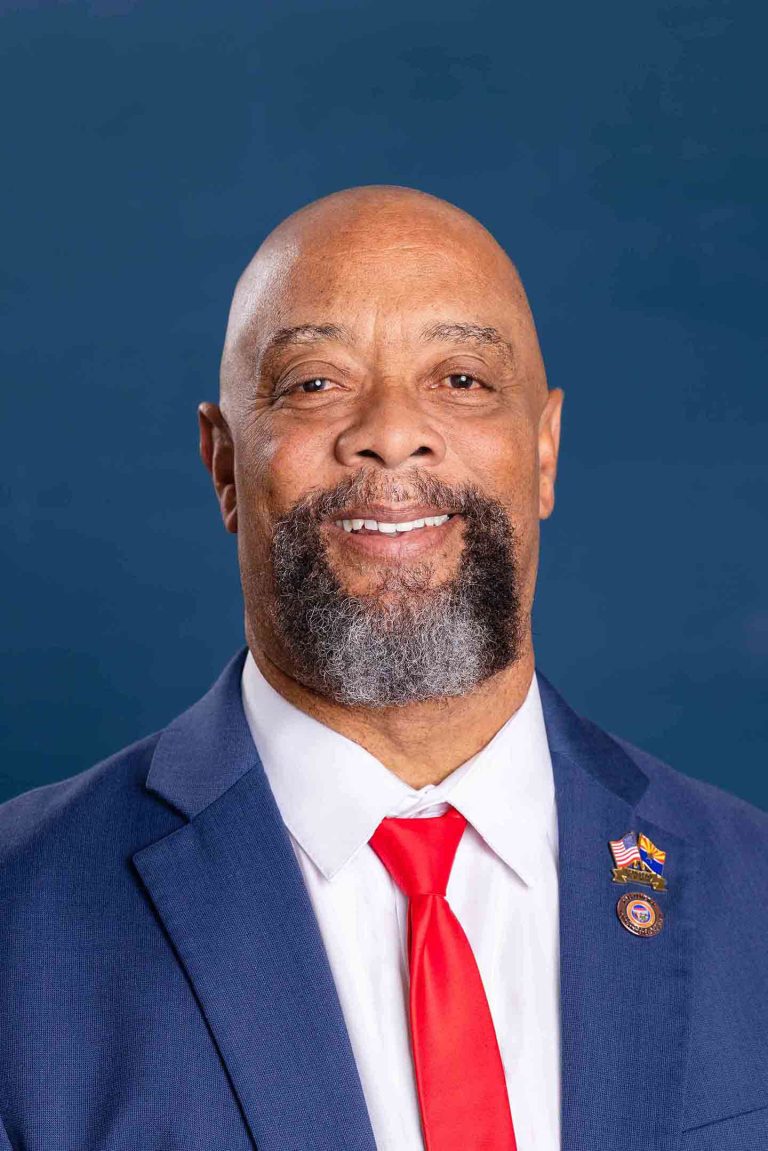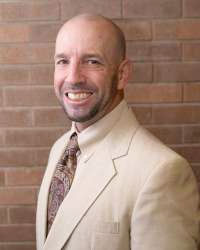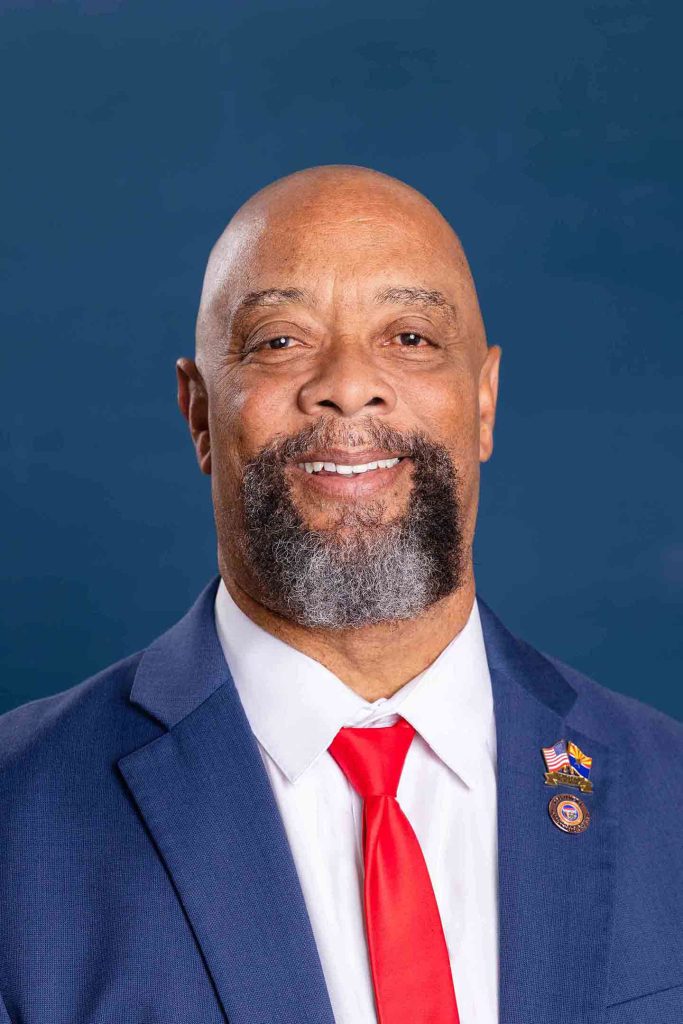
After nearly three months of legal wrangling, Navajo County finally has an answer on who its recorder is. A Maricopa County Superior Court judge ruled Tuesday, July 7, that David Marshall is lawfully holding the office, rejecting Attorney General Kris Mayes’ attempt to remove him.
For most people in the county, the story is a familiar one by now. Tim Jordan resigned as recorder in January after pleading guilty to charges stemming from a road rage incident. In mid-April, the Board of Supervisors appointed Marshall, the longtime Snowflake pastor and retired police officer who was serving in the Arizona House representing District 7, to fill the vacancy. Marshall resigned his legislative seat three days after the appointment, dropped his campaign for the Arizona Corporation Commission, and was sworn in as recorder on April 21.
The trouble started almost immediately. Critics from both parties pointed to a provision of the Arizona Constitution that bars a member of the legislature from holding any other state or county office during the term for which he was elected. Marshall was reelected in 2024, and that term does not end until January 2027. In their view, resigning did not fix the problem, because the ban covers the whole elected term.
That argument had some history behind it. A 1977 opinion from then-Attorney General Bruce Babbitt concluded the provision blocks a legislator from taking another office during the elective term whether or not the legislator resigns. Mayes leaned on that opinion when she sent Marshall a letter in late April demanding he step down. Suzanne Hudspeth, a Navajo County real estate agent and fellow Republican who had also sought the appointment, filed her own lawsuit trying to force the attorney general to act. Mayes then filed a quo warranto action, a rarely used legal challenge against someone accused of holding office unlawfully, in Maricopa County Superior Court in mid-May.
Marshall’s attorney, Linley Wilson, argued the constitutional ban applies only to sitting lawmakers. Once Marshall resigned, she said, he was no longer a member of the legislature, and the concern the provision was written to address no longer existed. She pointed to a 1961 Arizona Supreme Court case holding that a man elected to the legislature who never took the oath was not a member and could accept a judgeship, and a 1973 case reading the phrase to refer to the office itself rather than the person who once held it.
At a hearing in late June, Judge David McDowell pressed both sides. The attorney general’s office argued that reading the ban to end at resignation adds words to the Constitution that are not there. Wilson countered that the quo warranto statute did not give Mayes the authority to bring the case at all, and that state law puts the job of vetting appointees with the Board of Supervisors, not the attorney general.
In the end, McDowell sided with Marshall. He found that Marshall stopped being a member of the legislature the moment he resigned on April 17, so taking the recorder’s oath four days later did not violate the Constitution. The judge also awarded Marshall his court fees.
Marshall’s office celebrated the decision in a statement, saying the ruling vindicates the board’s appointment and protects legislators who lawfully resign to accept other public offices from similar lawsuits in the future, whether from private parties or the attorney general.
For now, though, the recorder’s office in Holbrook has some certainty and the county’s voters know who is in charge of the rolls heading into the July 21, primary which is less than a week away.