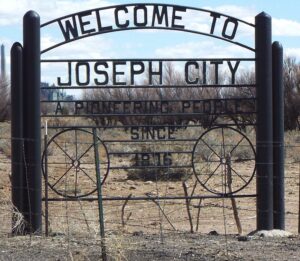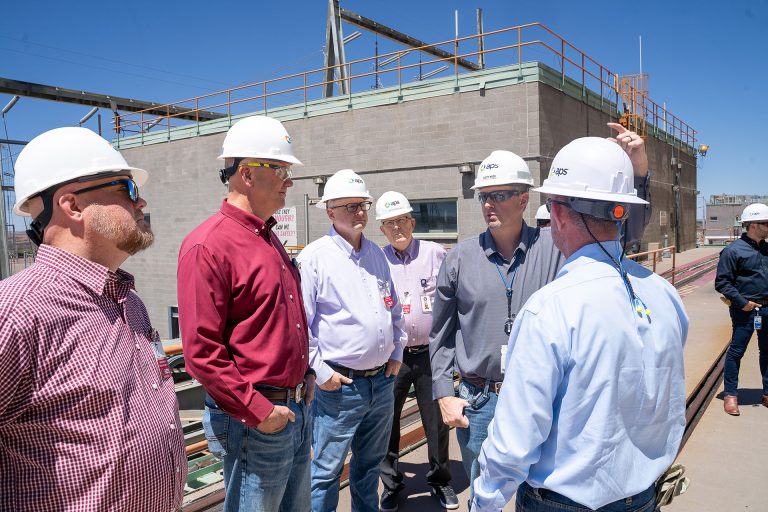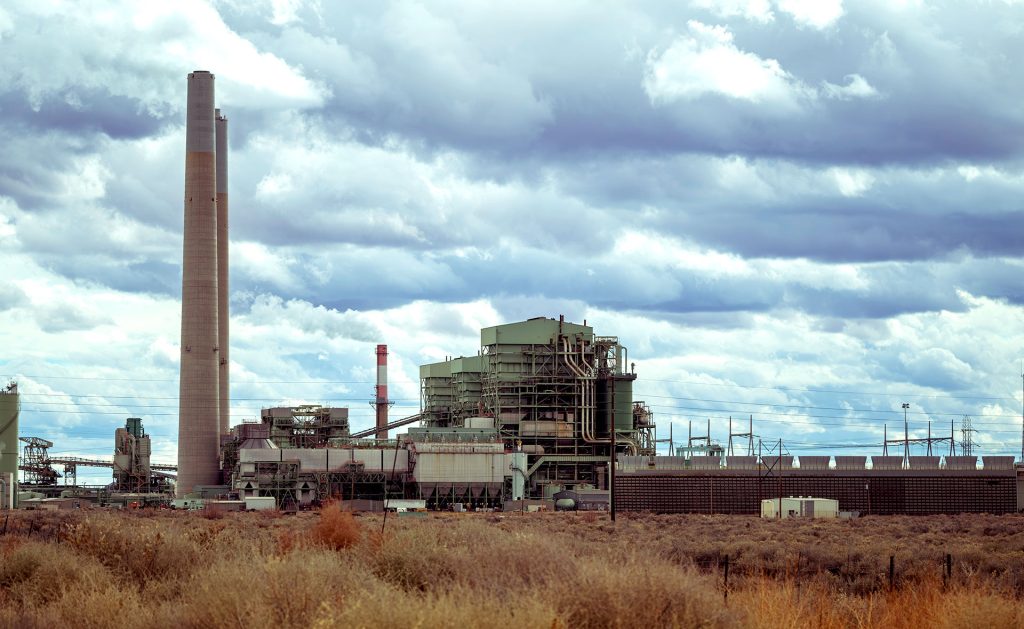
In 2025, Joseph City Unified School District (JCUSD) finds itself in a pivotal year. The region has long anticipated the shutdown of the nearby Cholla Power Plant, and residents are well aware of the facility’s influence on the community. Now that the closure is in effect, JCUSD is focused on securing its future amid shifting financial realities.
For years, the district relied on substantial tax revenues generated by the power plant’s value and operations. In anticipation of losing these funds, JCUSD estimated it would need approximately $20 million over the next decade to steadily transition away from that revenue stream. Although Arizona Public Service (APS) initially included transition funding to assist coal-plant communities, including millions of dollars which would have gone to the Navajo Nation, those plans were struck down by the Arizona Corporation Commission early last year. The Commission argued that other APS customers should not shoulder the cost of compensating communities tied to the power plants.
Despite the larger compensation plan being denied, APS did provide JCUSD with $400,000 and continues to support various grants and job creation efforts in the region. However, that amount pales in comparison to the lost tax base, leaving the district to cover most of the gap itself.
Superintendent Bryan Fields has been proactive in handling this revenue shortfall. In November, voters opted to maintain an existing override, granting JCUSD extra tax dollars to keep critical programs afloat. Looking ahead, Fields intends to space out significant expenses, such as roof repairs and the purchase of new school buses, so that budget constraints do not overwhelm the district all at once. In addition, Fields stated that although the plant has been winding down operations and workers have slowly been leaving for years, enrollment has stayed steady as more students are coming from areas outside of Joseph City.
This budget issue is not an easy task, as it still is vital for the district to offer competitive salaries to attract talent to the rural community. “The four-day school week is definitely an incentive,” Fields said, which is something that he hopes will continue to attract talent when they may not be offering salaries better than nearby districts like Holbrook and Winslow.
Other than that, there are things Fields is excited for when it comes to the future of the district. One of those efforts is incorporating artificial intelligence into the teaching workflow to help ease some of the burden on teachers. “You want a lesson about Abraham Lincoln that’s a cross between a history lesson and a science lesson?” Fields offered as a hypothetical, “Well, AI can help make that lesson plan instantly.” This wouldn’t be used on the student side of things, at least “not without purpose” Fields said. Teachers will still review and adapt the AI-generated lesson plans to make sure they are factually correct and align with the standards needing to be taught.
As the district adapts to life without Cholla, strategic budgeting, innovative instruction and thoughtful staff incentives are paving the way for continued student success in the post-power-plant era.