/wp:paragraph
wp:paragraph
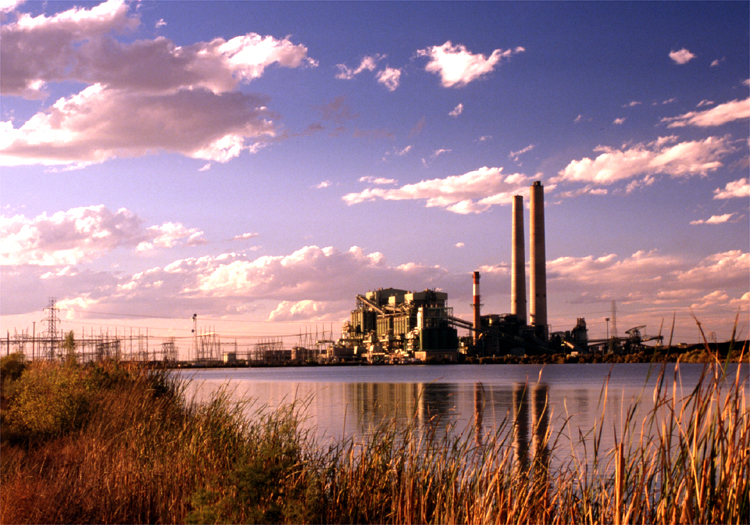
On Wednesday, July 10, after much discussion, the five commissioners of the Arizona Corporation Commission (ACC) voted three-to-two that Arizona Public Service (APS) did not need to file an application with ACC to convert the Cholla Power Plant to biomass.
/wp:paragraph
wp:paragraph
The vote effectively shut down the ability of APS to obtain $2.5 million from the Renewable Energy Standard and Tariff to complete the engineering and the Request For Proposal (RFP) studies needed to fully vet the viability of converting Cholla’s Unit One into a biomass generation plant.
/wp:paragraph
wp:paragraph
Chairman Bob Burns along with commissioners Justin Olson and Sandra Kennedy voted yes to not require APS to file an application, while Commissioners Boyd Dunn and Lea Marquez Peterson voted against.
/wp:paragraph
wp:paragraph
According to the ACC Public Information Office, “Nothing was denied, the commissioners simply voted that APS does not have to file an application to convert Cholla to biomass, but they can file an application if they want to. APS can convert Cholla on its own and they can file an application asking for cost recovery if they choose to do so. Whether or not APS will convert Cholla to biomass is up to them.”
/wp:paragraph
wp:paragraph
In a statement issued by the APS media team, they said, “On Wednesday, the Corporation Commission declined APS’s request to proceed with conversion of Unit One at the Cholla Power Plant to biomass generation. The vote the ACC took was whether or not we should file an application to proceed with engineering studies and their vote directs us to not file. We continue to participate in forest restoration efforts through our own vegetation management program and through our existing contract with the Novo Power Plant, which has enabled the thinning of thousands of acres of forest in northern Arizona. Forest restoration is a statewide problem that deserves a statewide solution. We look forward to continuing to work with stakeholders on a solution.”
/wp:paragraph
wp:paragraph
In response to that statement by APS, the ACC Public Information Office again clarified, “We did not decline their (APS) request to convert Cholla, we simply said they (APS) don’t need to file an application to do so.”
/wp:paragraph
wp:paragraph
One of the main concerns voiced was that the APS rate payers would potentially carry the burden of the biomass conversion tab: a tab that the commissioners clearly felt should be carried by all the citizens of Arizona as well as the state and even federal government.
/wp:paragraph
wp:paragraph
Burns said, “I cannot support having the rate payer pay the full tab. People can go to the legislature; APS can go to the legislature. It can be done if people put together a campaign and lobby for the support.”
/wp:paragraph
wp:paragraph
Kennedy noted, “On page nine of the policy, it asks that utilities look at alternatives that would not cost the rate payers anything. On page 10, of that same policy, it asks that stakeholders approach the legislature and U.S. Congressional delegation to talk about this issue.”
/wp:paragraph
wp:paragraph
Dunn weighed in saying, “This has been an issue that is stuck in the mud both on the federal and state level. We don’t hear from the state until there is a fire or disaster.”
/wp:paragraph
wp:paragraph
Tom Mumaw, an APS attorney, clearly said, “It was never our intent that all of the cost be borne by APS customers. We indicated from the get go that one of the conditions for this was going to be participation by other utilities in the state, including Salt River Project.”
/wp:paragraph
wp:paragraph
During the meeting Jeremy Kruger, chief executive for the Four Forest Restoration Initiative (4FRI), spoke to the commissioners on behalf of the U.S. Forest Service, stating, “One of the things that I just found out while waiting to speak was that our official Request for Proposals (RFP) for Phase Two of our forest restoration work, the pre-solicitation announcement was released today. It is official, we are moving forward with one of the largest contracts for forest restoration in the Forest Service history.”
/wp:paragraph
wp:paragraph
Kruger continued, “These new contracts are expected to greatly increase the pace and scale of restoration. The 20-year stewardship contract is a long-term commitment for funding and restoration treatments in Northern Arizona.”
/wp:paragraph
wp:paragraph
As the discussion wrapped up, Olson said, “I think it is better for us to wait and see the results of the RFP process. Let’s see if there are some innovative ideas for thinning the forest that can be done in a way that don’t add cost to rate payers. If after the RFP process, the biomass continues to be a problem, then I would support putting together a proposal to take to the legislature.”
/wp:paragraph
wp:paragraph
Dunn said, “APS did what we asked them to do in a very unique way. You have to realize this all started with our utilities including APS saying this is not feasible because of the high cost. I appreciate APS following our direction in that regard.
/wp:paragraph
wp:paragraph
“It needs to be a partnership, we can be a catalyst in terms of let’s use biomass to produce electricity and clear our forests,” continued Dunn. “But the bigger issue is to bring our watersheds back to the way they were intended to perform.”
/wp:paragraph
wp:paragraph
In his presentation, Kruger said, “Viable biomass utilization is currently the biggest obstacle to accelerating the pace of mechanical forest restoration treatments. Efforts by the ACC can help spread the cost of restoration to all those who benefit from clean air and water, dependable renewable energy and healthy functioning ecosystems that people want to enjoy.”
/wp:paragraph