KYKOTSMOVI, AZ.- Hopi Tribal Chairman Timothy L. Nuvangyaoma and Arizona Governor Katie Hobbs spoke following the Governor’s signing of the Northeastern Arizona Indian Water Rights Settlement Agreement. This landmark agreement, decades in the making, aims to resolve long-standing water rights issues impacting the Hopi Tribe, Navajo Nation and San Juan Southern Paiute Tribe, and other water users in the region.
“We are closer than ever to making this historic water settlement a reality, due in no small part to Governor Hobbs’ steadfast commitment to water certainty in Arizona and the dedicated efforts of Director Buschatzke and the Arizona Department of Water Resources,” said Chairman Nuvangyaoma. “I am optimistic that this coalition of tribal and state leadership can gain the support of the other six basin states and get this bill passed in this Congress.”
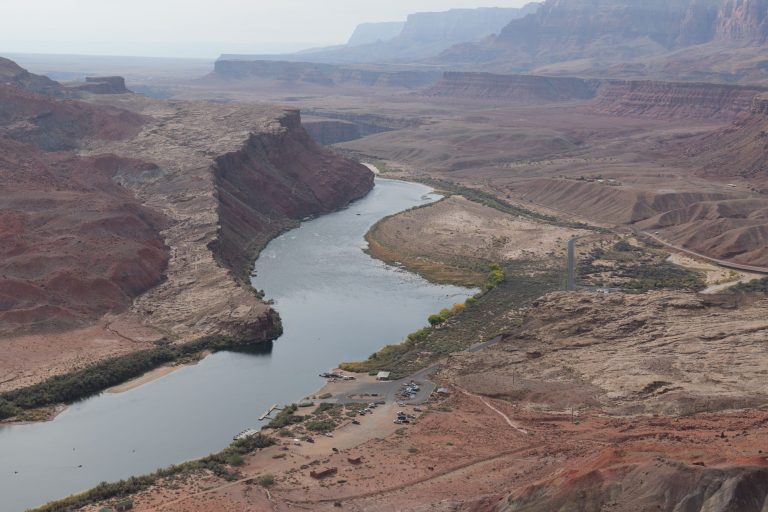
The agreement is part of the federal bipartisan Northeastern Arizona Indian Water Rights Settlement Act, which is now entering a crucial phase in Congress. Passage of the Act in this Congress depends on reaching a consensus among the seven states that share the Colorado River: Arizona, California, Colorado, New Mexico, Nevada, Utah and Wyoming. The seven states are parties to the Colorado River Compact, a 1922 agreement that allocates water rights based on each state’s location in the Upper Basin or Lower Basin—the two major areas of land where the Colorado River and its tributaries drain.
The Hopi Reservation and Navajo Reservation occupy a unique location that straddles the divide between the Upper Basin and Lower Basin. Because of this, the tribes need to move Colorado River water between the two basins to meet the needs of their people across their reservations.
But movement of water between these two regions has implications for the interests of all seven basin states and resolution of these interstate issues is complicated by parallel river management efforts underway as part of the “Colorado River Post 2026 Operations” process which involves basin states, basin tribes and the federal government.
“I recognize that each of the basin states has valid interests in the management of the Colorado River.” Stated Chairman Nuvangyaoma, speaking on the importance of getting the settlement approved in this Congress. “It is imperative that we move forward—failure is simply not an option.”