/wp:paragraph
wp:paragraph
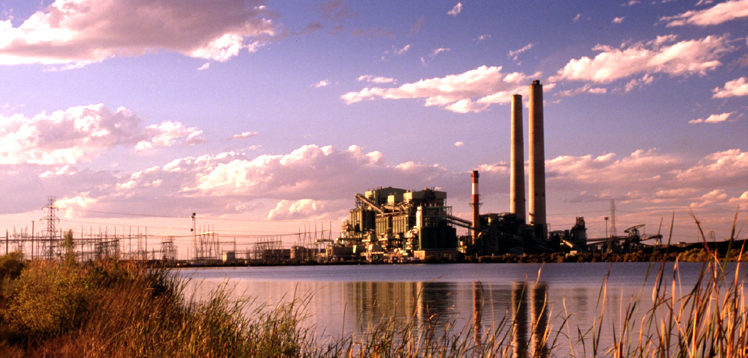
In the continuing conversation to balance the needs of forest health management and wildfire mitigation through forest bio energy, Arizona Public Service (APS) has begun to evaluate the possibility of converting one unit at the Cholla Power Plant in Joseph City to burn biomass.
/wp:paragraph
wp:paragraph
APS stated in a letter of inquiry submitted to the Arizona Corporate Commission (ACC) on March 20, “APS has begun evaluating the feasibility and cost of converting a unit at our Cholla power plant to burn biomass. A conversion at Cholla would ultimately assist in forest thinning, thereby reducing wildfire potential, ensuring forest health and protecting our watersheds.”
/wp:paragraph
wp:paragraph
In December of last year, the ACC commissioners voted to adopt a policy statement addressing the role of forest bioenergy in Arizona and the use of biogas and biomass as a renewable energy resource.
/wp:paragraph
wp:paragraph
While the ACC policy covers 13 different statements, at the heart is that “the use of forest biomass fuel for electric generation, including co-firing or co-generation, will produce multiple positive externalities that benefit the residents of Arizona. The benefits noted are: healthier watersheds, rural economic development and the reduction in the frequency and intensity of wildfires.”
/wp:paragraph
wp:paragraph
With the Cholla Plant slated to close in 2025, APS is not only looking to the future energy needs of their customer, but also to the energy options within the White Mountain area.
/wp:paragraph
wp:paragraph
Some of the aspects being considered are the cost of conversion, the staffing needs (today about 200 people work at the site) and the sustainability of a steady supply of biomass fuel from forest thinning for a 20-year period.
/wp:paragraph
wp:paragraph
Today the Cholla Plant produces coal-fired electricity from three units, and there is some existing natural gas infrastructure at the site to ignite the boilers and stabilize coal flames.
/wp:paragraph
wp:paragraph
Under a biomass scenario for one unit at the plant, APS doesn’t expect any upgrades to the existing natural gas pipelines to be required in order to continue using small amounts of natural gas for the combustion process.
/wp:paragraph
wp:paragraph
APS representatives said the biomass scenario for Cholla could reduce the plant’s water use but it has not done that analysis yet. As a company, APS has reduced its overall water intensity 17 percent since 2012, and has a target to reduce it another 18 percent by 2032.
/wp:paragraph
wp:paragraph
As the APS letter noted, “Converting an existing unit has a number of potential advantages from both a cost and community perspective. We are exploring the use of existing infrastructure to minimize costs and uncertainty around alternative methods of biomass energy production for the benefit of APS customers and Arizona residents.”
/wp:paragraph
wp:paragraph
If the study finds that the biomass would be a benefit, Navajo County as well as Holbrook, Joseph City and Winslow, would see the economic benefits both from the tax-base perspective and the job creations.
/wp:paragraph
wp:paragraph
While the letter readily states that APS is not in the business of procuring forest biomass for fuel, they are looking at the possibility of third party suppliers “who would harvest and deliver the biomass feedstock to the power plant” thus creating another economic benefit to the local economy.”
/wp:paragraph
wp:paragraph
Within the next 60 days APS will be filing a report that summarizes the results of their evaluation. As contained within the letter, “If the analysis shows that the Cholla conversion is more cost-effective than other alternatives, we will propose to move forward on the project with the ACC’s approval at a date to be determined pending the results of the evaluation.”
/wp:paragraph