/wp:paragraph
wp:paragraph
In a report, Coal’s Poisonous Legacy, released by the Environmental Integrity Project and Earthjustice on March 4, it was noted that 91 percent of the 265 coal fired plant sites in the U.S. that were required to post groundwater monitoring data as the result of the 2015 Coal Ash Rule, have unsafe groundwater.
/wp:paragraph
wp:paragraph
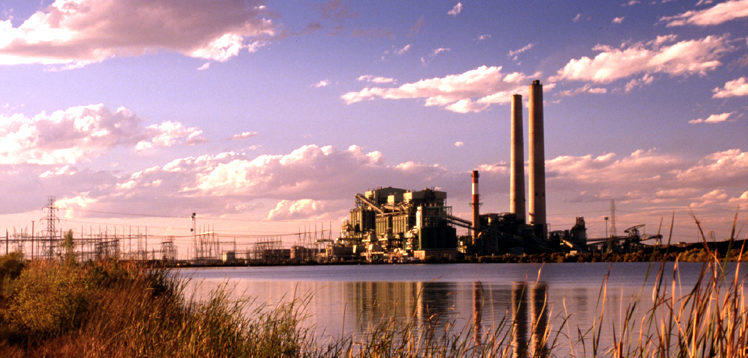
While not listed in the top 10 of the most contaminated sites, in a data map provided by Earthjustice, it was noted that the unlined fly ash pond at Cholla Power Plant in Joseph City had groundwater contamination that included toxic metal contamination from arsenic, cobalt, fluoride, lithium and molybdenum.
/wp:paragraph
wp:paragraph
The report also questioned whether the plant was using sufficient laboratory methods for detecting a concentration as low as the groundwater protection standard. “For example, at the Cholla Power Plant… lithium is frequently reported as undetected. The laboratory reports do not provide a method detection limit, but do show a reporting limit of 0.2mg/L. Lithium is unsafe at concentrations of more than 0.04mg/L. Lithium concentrations of ‘less than 0.2mg/L’ could be above or below that threshold.”
/wp:paragraph
wp:paragraph
Coal ash, of which nearly 100 million tons is generated every year across the U.S., is a by-product of coal energy. In its disposal, the ash is often mixed with ground water in unlined ponds, where seepage can pollute the groundwater of nearby communities. The ash contains a long list of toxic pollutants that can cause cancer, neurological damage and other health related issues.
/wp:paragraph
wp:paragraph
Suzanne Trevino, communication consultant with Arizona Public Service (APS), said the March 4 report was “a simplistic evaluation of the data, without context.”
/wp:paragraph
wp:paragraph
She explained, “The most important thing people need to understand about Cholla is that the groundwater affected is on property,” said Trevino. “While it is true that these ponds are unlined, our ash is not mixed with groundwater, and we have been complying with the state’s existing groundwater protection rules for more than 30 years.”
/wp:paragraph
wp:paragraph
The 2015 Coal Ash Rule was born after the collapse of a six-story earthen dam impounding nine million tons of coal ash at the Kingston Fossil Plant in Tennessee in 2008, causing the largest toxic waste spill in U.S. history. It was estimated that more than a billion gallons of coal ash sludge was released during the spill, flooding 300 acres of land while dumping thousands of tons of heavy metals and other contaminants into the Clinch and Emory rivers.
/wp:paragraph
wp:paragraph
In the wake of the Kingston disaster, the Environmental Integrity Project, Earthjustice and the Sierra Club teamed up to publish an inventory of nearly 70 “damage cases,” documenting the environmental harm caused by coal ash.
/wp:paragraph
wp:paragraph
Within the Rule, a groundwater monitoring program was created, requiring the coal plants to have both upgradient (upstream) and downgradient (downstream) monitoring wells.
/wp:paragraph
wp:paragraph
In theory, the upgradient wells show the quality of water before it passes under or through an ash pond or ash dump site, while the downgradient wells are used to monitor the amount of contaminant in the water after it has passed under or through an ash pond or ash dump site.
/wp:paragraph
wp:paragraph
Most coal plants, including Cholla, have multiple onsite coal ash landfills. The analysis performed by Earthjustice focused on the quality of groundwater at each location. The report stated, “We determined that 242 coal plants or 91 percent, have unsafe levels of one or more coal ash constituents in downgradient wells that appear to be affected by onsite, regulated coal ash dumps.”
/wp:paragraph
wp:paragraph
The groundwater monitoring program generally rules out naturally occurring contamination by requiring a comparison of downgradient data to upgradient data. If levels are higher in downgradient wells, then the coal ash dump is presumed to be leaking.
/wp:paragraph
wp:paragraph
Additional evidence can be gleaned by comparing levels of coal ash constituents to each other. Boron is generally considered to be one of the best indicators of coal ash contamination. The report noted, “We looked at wells with elevated levels of arsenic, cobalt, lithium and other constituents to see if there were also elevated levels of boron.”
/wp:paragraph
wp:paragraph
Trevino agreed with the steps outlined in the report as she explained how APS monitors their coal ash ponds. “The first thing we do is establish a baseline of water purity through the upgradient wells. If the coal ash constituents are found through detection monitoring, then assessment monitoring is done to create remediation and response to the problem.”
/wp:paragraph
wp:paragraph
“APS is required to identify and seek public input regarding any additional controls that might be necessary,” said Eric Massey, an environmental manager at APS. “We are committed to being good environmental stewards, ensuring continued compliance with the coal combustion residual rules and to take the appropriate actions to mitigate environmental impacts if they are found.”
/wp:paragraph
wp:paragraph
“We have been proactive and have implemented engineering controls beyond what is required by the state and federal governments,” said Trevino. “We have installed seepage collection systems to prevent migration of any groundwater that may be affected and keep it on property. We have complied and will continue to comply as we do not want to create an environmental impact in the area.”
/wp:paragraph