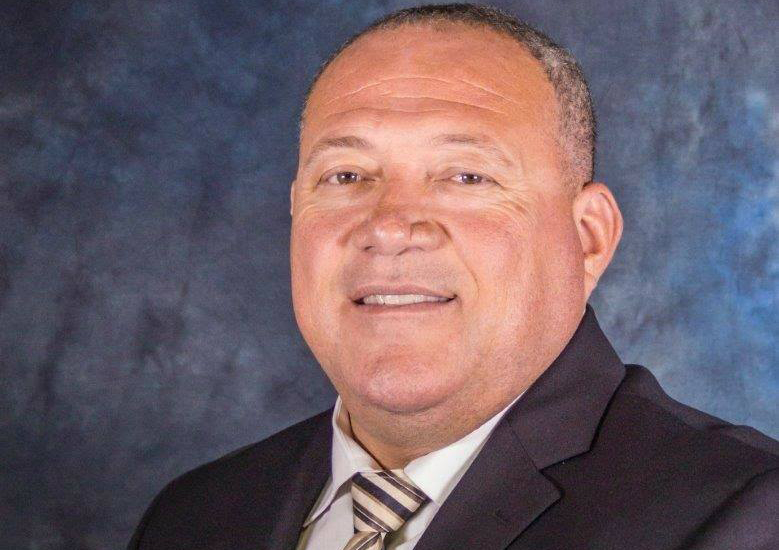
By L. Parsons The Arizona State Prison Complex in Winslow has welcomed warden John Mattos, who has nearly 30 years of experience in corrections. He began his career as a correctional officer when he was 19 years old. Since then, he has worked as a deputy warden and a deputy warden of operations. Mattos approaches corrections in a unique way. He said his main focus is making people better members of society. Therefore, as he explained, he sees the importance of programs and efforts for rehabilitation for those incarcerated. “I believe the only way to do that is to have a hand in it, you know, directly. Our job is to make sure that these guys have something they can use and not come back. Our department has a new outlook from the top down and at every level. The trend really is toward rehabilitation. For myself, I do not believe that locking someone up and throwing away the key is the right answer. We have to make these people better, even if they are never going to get out of prison.” Mattos continued, “I think of it like this; what would I like my neighbor to be like? Is it going to be based on how I treat him? Shouldn’t we treat all human beings with respect? You know, the people I come in contact with on a daily basis are in the worst time of their lives. A lot of them fell on hard times and made some bad decisions and ended up incarcerated. For me, that doesn’t mean they aren’t still human and that they don’t deserve help. It is a philosophy that I have lived by for years and I think a lot of people will follow that philosophy as I stand in front of them to lead.” In the few weeks that Mattos has been at the Winslow complex, he has already begun implementing programs that he has brought with him from his experience in other facilities. “Everywhere I go, I try to make it just a little bit better than it was when I arrived. Since I have been here, I have contacted and started a partnership with Central Arizona University to have them come up and teach classes. I am also in contact with Northern Arizona University in Flagstaff to see if they would like to get involved as well.” Mattos has implemented programs in other facilities that have now made it to the state level. For example, he was able to build a peer-to-peer addiction counseling program at the Tucson complex that was so successful in treating the root causes of drug addiction that the state is looking to add his program model to all nine facilities in the state. Mattos said, “I can talk till I am blue in the face to someone and tell them not to do drugs but I don’t have that life experience. These guys are able to talk to and relate to each other in a different way; and it works.” Mattos hasn’t always felt this way about corrections. “I didn’t think I was going to be a corrections officer and eventually a warden,” he said. “This was a job until I could find something that I wanted to do; it was just something to do. It didn’t take too long for me to figure out that staying positive and trying to make a difference by interacting with the incarcerated was the key to making it in this profession.” Mattos grew up on the island state of Hawaii and is proud of his heritage and his upbringing. He is a husband and a father of three adult daughters. “Working in prisons, I was always afraid that my daughters would ‘go bad.’ I saw it so often because parents that work in prisons have to spend so much time there and it’s a hard job. I purposefully did not promote in my career until they were older so that I could raise them, be there with them and it paid off. They are all great girls and doing good things in their lives.” The new warden wants to be part of the Winslow community and understands the value of partnering with charities and other non-profits. “We are already working on some fundraisers and things that we can do to help society. Not only does that help our relationship with the community, but it helps the incarcerated as well. Letting them have an outlet while they are locked up is one way to help them get their lives on a better path.” He also intends to lead his staff into improved interaction with inmates and wants to instill in them that rehabilitation is the right answer. “I want to lead by standing beside my guys, but I will stand in front of them to lead if I need to.” Prison and justice reform are priorities for Mattos. He has a deep understanding and passion for helping those incarcerated, “Be better people.” He concluded, “This job has the potential to be so negative. You know we only get negative publicity and so I promote the side that people don’t believe in, the good parts of incarceration. If we just try to plant the seed of positivity a little bit at a time, imagine how that could look before you know it.”