

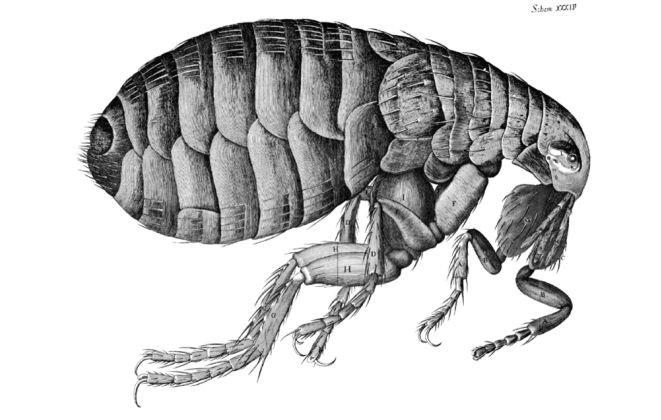
Navajo County Public Health District officials have confirmed that fleas collected in the Taylor area have tested positive for plague (Yersinia pestis). The tests were conducted by the Center for Pathogen and Microbiome Institute at Northern Arizona University.
NCHD has notified the residents, and the burrows, which are located on private property, will be treated. The area will be closely monitored to determine if further action is required.
Health officials urge the public to take precautions to reduce their risk of exposure to this serious disease, which can be present in fleas, rodents, rabbits and predators that feed upon these animals. The disease can be transmitted to humans and other animals by the bite of an infected flea or by direct contact with an infected animal. To limit possible exposure, avoid rodent burrows and keep dogs on a leash, as required by Arizona State law.
An abundance of active prairie dogs doesn’t indicate disease is present. However, a sudden die-off of prairie dogs and rodents may be an indicator of plague. Persons noticing a sudden die-off of rodents or rabbits are urged to contact the Navajo County Health Department.
Symptoms of plague in humans generally appear within two to six days following exposure and include the following: fever, chills, headache, weakness, muscle pain, and swollen lymph glands (called “buboes”) in the groin, armpits or limbs. The disease can become septicemic (spreading throughout the bloodstream) and/or pneumonic (affecting the lungs), but is curable with proper antibiotic therapy if diagnosed and treated early.
Persons living, working, camping or visiting in areas where plague and/or rodents are known to be present are urged to take the following precautions to reduce their risk of exposure:
* Do not handle sick or dead animals.
* Prevent pets from roaming loose. Pets can pick up the infected fleas of wild animals, and then pass fleas on to their human owners. This is one of the common ways for humans to contract plague. Cats with plague can also pass the disease on to humans directly through respiratory droplets.
* De-flea pets routinely. Contact your veterinarian for specific recommendations.
* Avoid rodent burrows and fleas.
* Use insect repellents when visiting or working in areas where plague might be active or rodents might be present (campers, hikers, woodcutters and hunters).
* Wear rubber gloves and other protection when cleaning and skinning wild animals.
* Do not camp next to rodent burrows and avoid sleeping directly on the ground.
* Be aware that cats are highly susceptible to this disease and while they can get sick from a variety of illnesses, a sick cat (especially one allowed to run at large outside) should receive care by a veterinarian for proper diagnosis and treatment to reduce human exposure to plague.
In case of illness see your physician immediately, as treatment with antibiotics is very effective.
For more information, go online to https://www.cdc.gov/plague/.




